Baltimore Building of the Week: American Brewery

This week’s Baltimore Building of the Week from Dr. John Breihan serves double duty as the first in a new series highlighting the 2010 Baltimore Heritage Preservation Award Winners! The American Brewery Building at 1701 North Gay Street might be the most “Baltimore” of all buildings in the city. It is in the style of High Victorian architecture, as so much of our city was built and it is just plain quirky. Since 1973, the 1887 J.F. Weisner and Sons brewery building (later known as the American Brewery) stood as a hulking shell lording over a distressed neighborhood. Its restoration is a noteworthy symbol of optimism for the historic building the surrounding community. The conversion of the brewery into a health care and community center for Humanim more than fits the organization’s motto: “To identify those in greatest need and provide uncompromising human services.” We are thankful that they chose this grand building in Baltimore to carry out that mission. A 2010 Baltimore Heritage Preservation Award in the Adaptive Reuse and Compatible Design category goes to owner Humanim, Inc., architects Cho Benn Holback + Associates, and contractor Struever Bros. Eccles & Rouse.
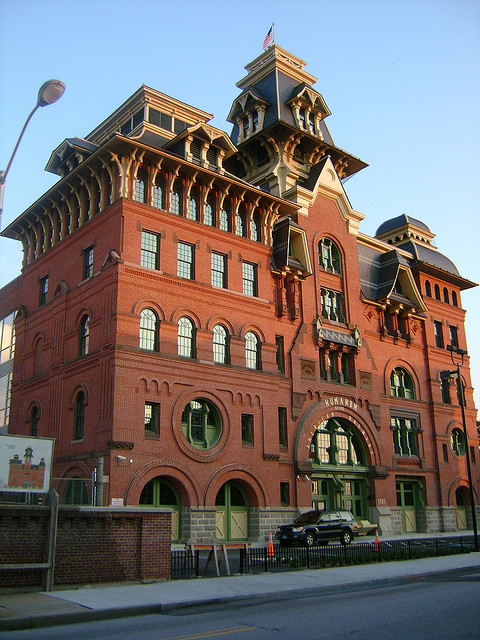
Image courtesy Chauncy Primm/Flickr 2009

On a prominent ridge-top site in East Baltimore, this flamboyant Second Empire extravaganza was actually a working industrial complex between 1887 and 1973 (with a break for Prohibition). Perhaps John Frederick Weissner, who presided over the American Brewery, hoped that its towering turrets and Mansard roof, visible over much of the city, would generate a profitable thirstiness for his product. After years of vacancy and decay, the brewery buildings have been restored to life by Humanim, a community-service nonprofit active in the impoverished neighborhood around the brewery.
Summer news from Baltimore Heritage

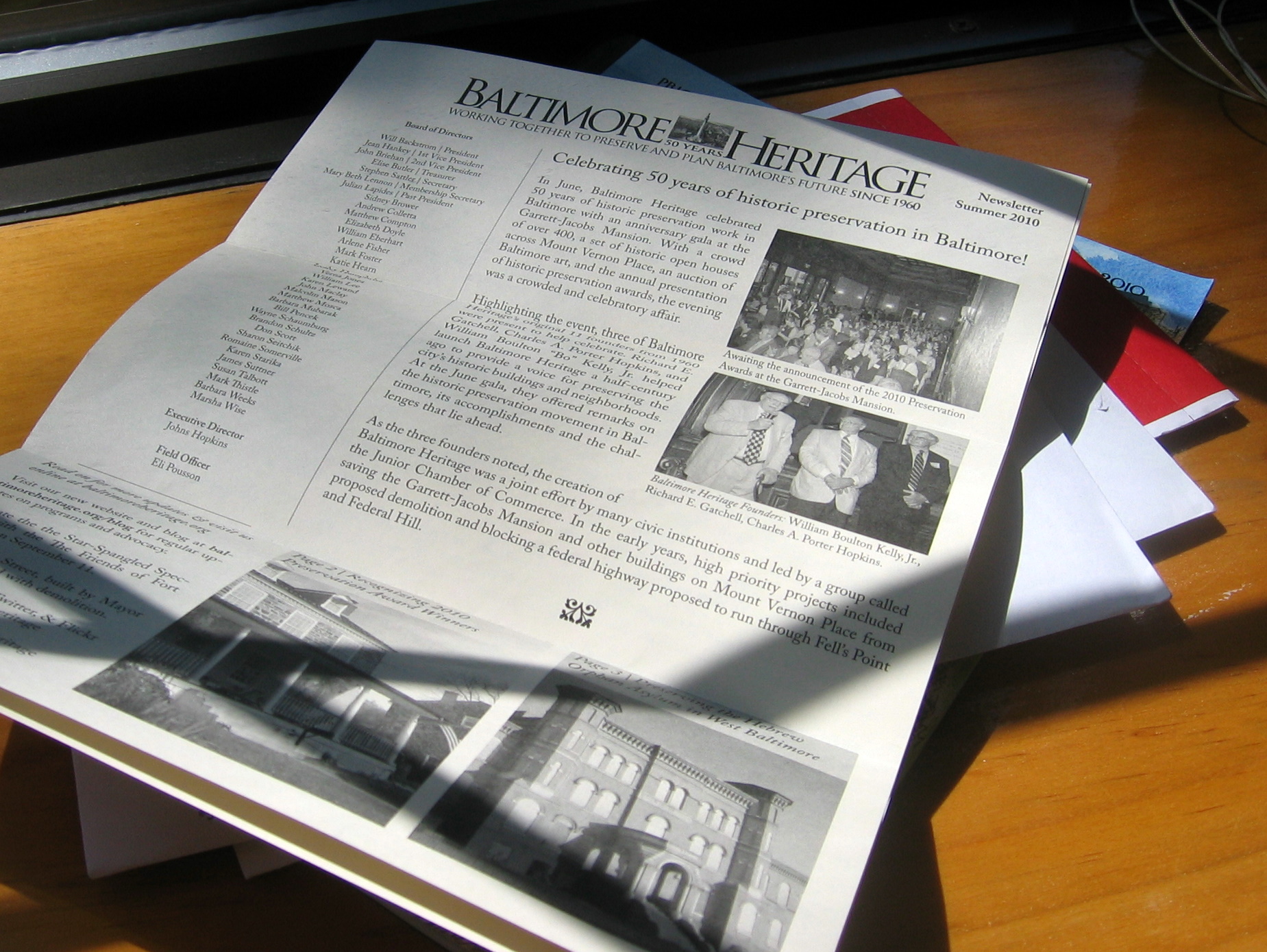
Baltimore Heritage members should discover a bit of preservation news in their mailbox this week as we just sent out a late summer edition of our Baltimore Heritage newsletter. A few of our features may be familiar to readers of this blog, including our piece on John Pente and an update on the Hebrew Orphan Asylum, but the newsletter also includes previews for upcoming events, a list of this year’s Preservation Award winners, and an advocacy update on a threatened building in Ridgely’s Delight. With a fresh visual design and a new format, we welcome any questions or comments on the issue.

You too can receive a copy of the Summer 2010 Baltimore Heritage newsletter by becoming a member of Baltimore Heritage today! Individual memberships start at only $35 (less than $3 a month!) and include discounts on all of our Behind the Scenes tours and first chance at registration for our popular Baltimore by Foot spring walking tour series. Read up on the membership benefits at each level of support and consider becoming a member or renewing your support for historic preservation in Baltimore.

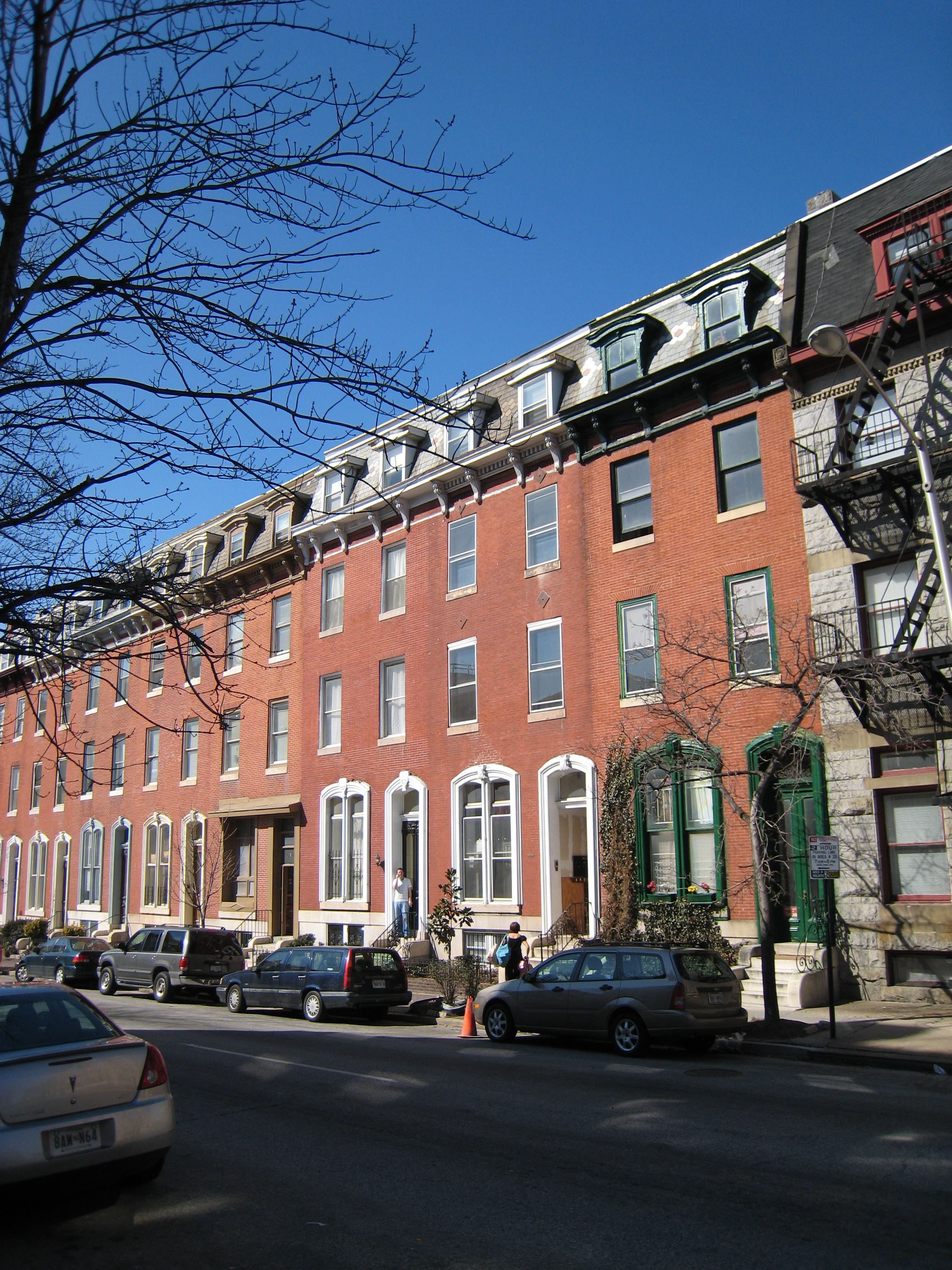
Baltimore Building of the Week: Second Empire Rowhouses

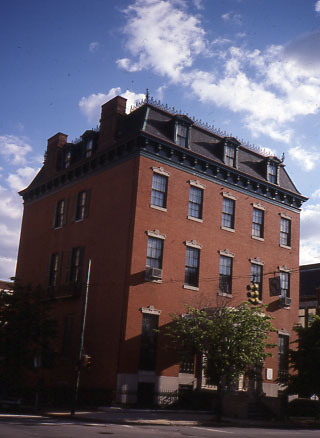
This week’s featured Baltimore Building of the Week from Dr. John Breihan is the stylish Second Empire Rowhouse,

St. Paul Street, courtesy Jack Breihan

St. Paul Street is particularly rich in rowhouses in the Second Empire style. Note the elaborate window moldings and of course the crowning Mansard roof. These houses were probably constructed in the 1870s, the heyday of the style. The grandest of the Second Empire city houses was the mansion of Enoch Pratt on Monument Street, an 1870s-era remodeling of an original Greek Revival house of 1847. The house has been preserved by the Maryland Historical Society.

Enoch Pratt House, courtesy Jack Breihan

Behind the Scenes Tour of the Cylburn Arboretum

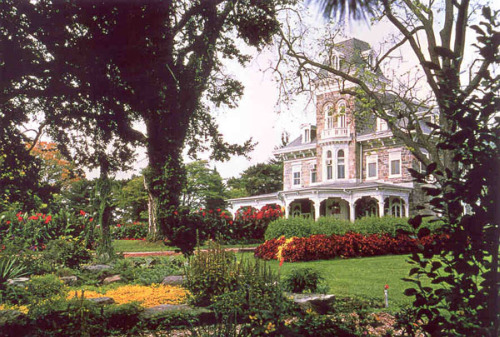
With a Civil-War era mansion and a brand new visitors center, Cylburn Arboretum is bustling with history and energy. Please join us and our hosts from the Cylburn Arboretum Association on a tour of the historic mansion, a stroll through the grounds to view some less visited historic sites, and a peek at the new visitors center. Oh yes, and a glass of wine on the mansion porch.

Tour Information

Note:  We are having two identical tours on the same evening.  Please sign up for only one.
Date:   Wednesday, September 8, 2010
Time:   Tour 1 — 5:15 p.m. to 6:15, with reception to follow
Tour 2 — 6:00 p.m. reception, 6:30 to 7:30 tour
Place:   Cylburn Arboretum, 4915 Greenspring Avenue (Baltimore, 21209)
Free parking is available at the arboretum
Cost:    $15 (includes wine and cheese reception)

Click Here to Register

Continue reading

Baltimore Building of the Week: City Hall

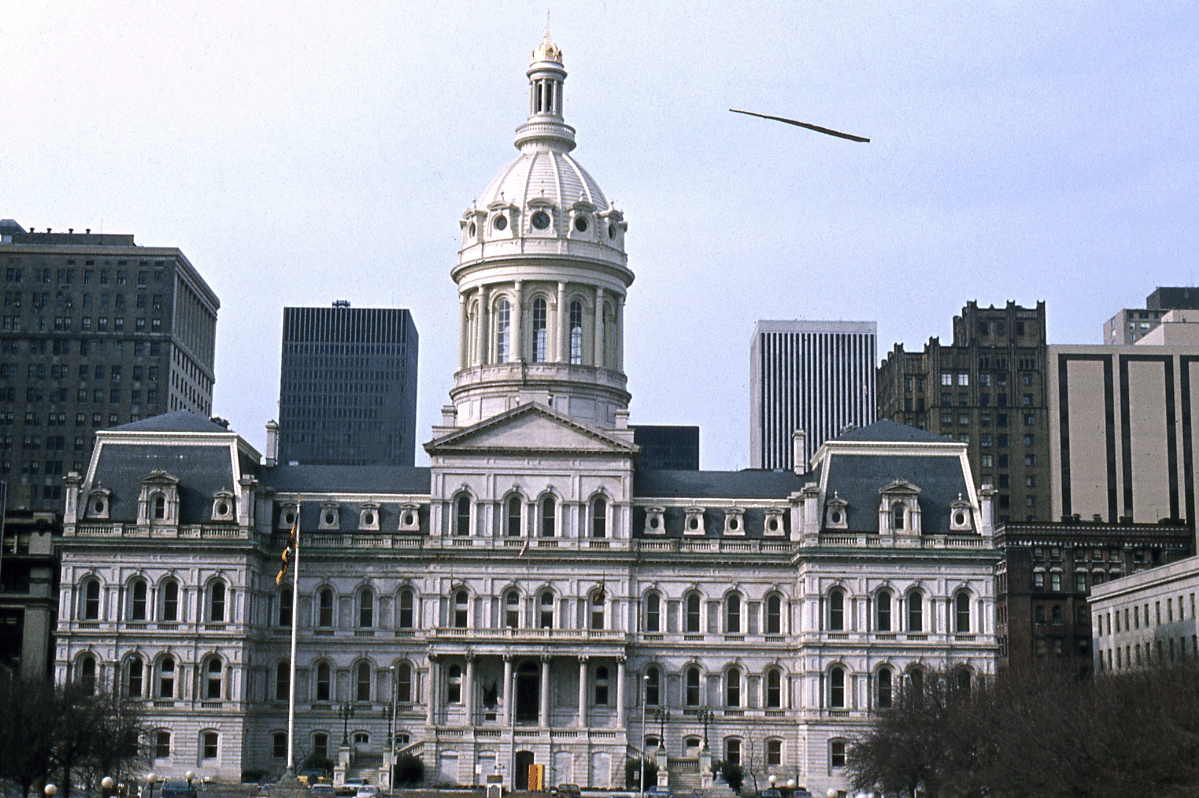
This week’s entry in our Baltimore Building of the Week series from Dr. John Breihan features the Baltimore City Hall,

Image courtesy Jack Breihan

Although it imitates the arrangement of the U.S. Capitol – central dome and symmetrical side wings, the Baltimore City Hall is covered in French architectural elements, including banded rustication, arched windows, and a crowning Mansard roof. How did this come about?

Between 1861 and 1865 the American Civil War retarded most building projects. By the time it ended, tastes had changed. Although the Italianate style remained popular (especially in conservative Baltimore), the antebellum Greek and Gothic Revival styles faded away. Indeed, this whole era in American architecture bears a European name: “Victorian,” for the queen of Great Britain, 1837-1901. Victorian buildings showed off the new products of the industrial revolution then pouring forth a wealth of new building products – cheaper bricks and cut stone, encaustic tiles and terracotta, various forms of structural iron.

The Victorian style from France is named for the Second Empire of the Emperor Louis-Napoleon Bonaparte, who styled himself Napoleon III. It was this Napoleon who extended the Louvre and laid out the boulevards and sewers that made Paris the most modern city in the world in the late 19th century. The Second Empire style became very popular for government buildings after the Civil War; it was sometimes called the “General Grant” style after the 18th President. In Baltimore, George A. Frederick’s design, completed in 1875, employed a good deal of cast iron, including the 227-foot tall dome designed by Wendel Bollman and cast by Bartlett, Robbins, and Company.

About 75 years after their construction, Victorian buildings inevitably came to be seen as downright ugly. In Baltimore, the construction of the Abel Wolman Municipal Building overshadowed City Hall, blocking any views from the north. In the 1970s, demolition of City Hall was seriously discussed. But wiser heads prevailed, and a prize-winning renovation equipped City Hall for continued use as the center of Baltimore’s government.

Baltimore Building of the Week: Eastern Female High School

We’re still playing a bit of catch-up on the Baltimore Building of the Week, but we should soon return to our regular weekly schedule. Today’s featured building is the Eastern Female High School at 249 Aisquith Street owned by Sojourner-Douglass College, is also included on our Baltimore Heritage Watchlist for its continued vacant condition.

Eastern Female High School, August 2007

An odd urban version of the towered Italian Villa style, this building includes symmetrical towers at the corners – along with Italianate arched windows and bracketed cornices. A pioneering effort in women’s education, the school was built in 1869 at the corner of Orleans and Aisquith Streets. It is the oldest Baltimore school building still standing. Derelict in the 1970s, it was restored in the following decade as housing for elderly citizens. In 2010, the again-vacant landmark awaits another round of adaptive reuse.

Celebrating 50 Years of Historic Preservation in Baltimore

In June, Baltimore Heritage celebrated 50 years of historic preservation work in Baltimore with an anniversary gala at the Garrett-Jacobs Mansion. With a crowd of 400, a set of historic open houses across Mount Vernon Place, an auction of Baltimore art, and the annual presentation of historic preservation awards, the evening was a crowded and celebratory affair.

Highlighting the event, three of Baltimore Heritage’s original 11 founders from 1960 were present to help celebrate. Richard E. Gatchell, Charles A. Porter Hopkins, and William Boulton “Bo” Kelly, Jr. helped launch Baltimore Heritage a half-century ago to provide a voice for preserving the city’s historic buildings and neighborhoods. At the June gala, they offered remarks on the historic preservation movement in Baltimore, its accomplishments and the challenges that lie ahead.

As the three founders noted, the creation of Baltimore Heritage was a joint effort by many civic institutions and led by a group called the Junior Chamber of Commerce. In the early years, high priority projects included saving the Garrett-Jacobs Mansion and other buildings on Mount Vernon Place from proposed demolition and blocking a federal highway proposed to run through Fell’s Point and Federal Hill.

The celebration continues this fall with a special 50th Anniversary bus tour. On October 3, you can join us in retracing the route of the central Baltimore bus tour that led to the founding of Baltimore Heritage. For more information on upcoming programs and events call 410-332-9992 or e-mail Johns Hopkins at hopkins@baltimoreheritage.org.

Baltimore Building of the Week: Clifton Mansion

This edition of our Baltimore Building of the Week series with Dr. John Breihan is a few days late but still a stunning landmark of Baltimore history and architecture: Clifton Mansion,

Image courtesy Jack Breihan

The country home of Baltimore’s premier philanthropist, the wealthy merchant Johns Hopkins, Clifton represents another variation on the Italianate architectural style so popular in the middle of the 19th century. Besides their massive symmetrical town palaces with heavy overhanging cornices, the merchant princes of the Italian Renaissance also built less formal suburban villas. The layout was deliberately asymmetrical, especially evident in a tall tower placed at an off-center location in the design. Johns Hopkins certainly qualified as a merchant prince. In addition to his town mansion on Saratoga Street (since demolished), Hopkins in the 1840s began to remodel an older Federal-style house situated on a suburban hilltop, once the home of an 1814 Baltimore Defender. The architectural firm of Niernsee and Neilson incorporated the old house into a much larger mansion, including various Italianate elements – particularly bracketed cornices and arched windows and porch arcades – combined with the asymmetrical layout and 80-foot tower that mark the Italian Villa style.

Continue reading

Behind the Scenes Tour: Monuments in Bolton Hill

Image courtesy Dave/Flickr

Why is the Francis Scott Key Monument on Eutaw Place sometimes called the monument that cigars built? Who was Baltimore’s great hero in the Mexican War of 1846-7 and how is he connected to the Maryland State Song, James Ryder Randall’s poem “Maryland My Maryland”? Please join us for stroll through historic Bolton Hill and an evening of Baltimore history as told through these and other stories of our public monuments. Our tour guides will be Cindy Kelly, author of a soon-to-be-published book on Baltimore’s monuments, and monument preservation leader Sandy Sparks.

Tour Information

Date: Tuesday, August 10, 2010
Time: 6:00 to 7:15 p.m.
Place: Meet at the Francis Scott Key Monument at Eutaw Place and Lanvale St.
Park along the street
Cost: $10 for members / $20 for non-members (cold water included!)
Registration: Click Here to Register

Continue reading

Statewide and National Support for the Preservation of the Hebrew Orphan Asylum

Over the past several months Baltimore Heritage worked closely with the Coppin Heights Community Development Corporation and Coppin State University to support their efforts to preserve the Hebrew Orphan Asylum in West Baltimore. Built in 1876, the Hebrew Orphan Asylum is not only the first Jewish orphanage in Baltimore, it is now the oldest standing Jewish orphanage in the United States.

Today we are glad to share the news that with our assistance the Coppin Heights CDC has received grants for preservation planning from both Preservation Maryland and the National Trust for Historic Preservation. Their generous support is a strong vote of confidence in the future of this remarkable Romanesque landmark and a testament to the importance of the building, not only to Baltimore, but also to the state of Maryland and the nation as a whole. These funds will help enable  the Coppin Heights CDC to prepare a redevelopment plan with a step-by-step guide to return the structure to an economic use and restore the site to its historic role as a vital asset to the broader West Baltimore region. Read more on the history of the Hebrew Orphan Asylum and our partnership with the Coppin Heights CDC in our update this past May.

Our work to preserve the Hebrew Orphan Asylum and our broader West Baltimore initiative is supported by the Partners in the Field program of the National Trust for Historic Preservation.